How to build a work sample without sharing private material
Create a new sample with permitted inputs, explain your contribution, and check what the recipient can see.

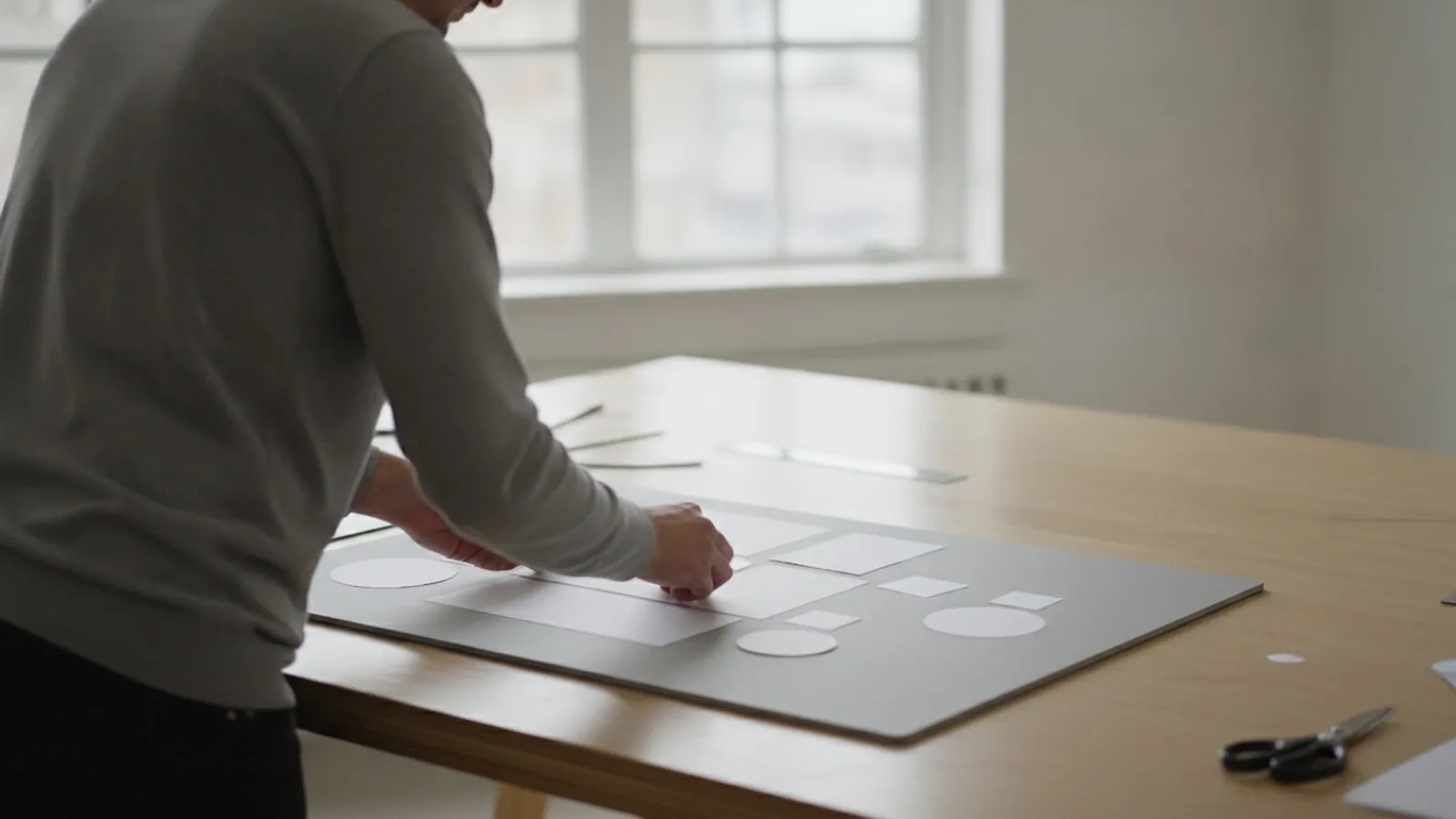
Create a fresh work sample if the examples from your job contain material you cannot share. Choose one skill the employer asks for, use public or invented inputs, and produce a small piece of work that shows your own decisions. Label it as a sample and explain the assumptions and limits.
There is no need to turn a normal application into a sprawling portfolio project. Begin with the employer’s request. A precise brief, a simple deliverable, and a short note about how you approached it can give the reader something they can review quickly.
Identify the work the sample needs to show
Read the instructions for the format, length and content. If a requirement is ambiguous, ask the hiring contact before starting. Georgetown University’s career center advises applicants to submit a writing sample only when one is requested, follow the employer’s instructions and choose writing similar to what the role would need if the subject is open. Use that approach for the written part of your application. Georgetown University career center, writing samples (checked November 23, 2026)
Write one sentence to describe the evidence the sample should provide. “Show how I would summarize a messy support queue for a manager” is a more useful target than “show everything I can do.” Decide what your intended reader needs to understand and what choice they should be able to make after reading it.
If the employer provides a take-home exercise, follow its instructions and use that input. If they ask for an existing sample and every one you have relies on private material, ask whether an original exercise or public piece is acceptable before spending time on it.
Start a new example with safe material
Choose a public source you are allowed to use or create a small invented dataset. Check any applicable employer policies or permissions before reusing an artifact from your job. For this fresh-sample approach, build it without client names, actual records, internal screenshots or copied templates. Changing a name may still leave other details about a real project visible. A small invented case lets you control what it contains.
Illustrative example. Theo is applying for an operations role and wants to show how to prioritize a backlog. They make up twelve service requests and give each a category, time received, and urgency note. They put the data into a new document and write a one-page brief for an imagined service lead.
Theo includes a table of proposed priorities and one decision they would ask the lead to make. They write that the records are invented and that the exercise tests their approach to triage. They avoid presenting it as a past project or claiming a result made by a real organization.
Show your role and the decisions behind the result
Include a short note at the top. Name the intended reader, the purpose, the source of the inputs, and what you did. Add enough about your assumptions for another person to follow the conclusion. If you collaborated or used a permitted tool, describe your contribution according to the assignment’s instructions.
If you are showing written work, write for the audience in the brief. If you are showing analysis, include a plain explanation of how you grouped and checked the inputs. If you are showing a procedure, demonstrate an ordinary case and one exception. Use the smallest example that can reveal the judgment relevant to the job.
You can ask someone to review the sample without giving them the job posting first. Ask what skill the document demonstrates and which assumption they would question. Then decide whether to clarify the brief. Use the guide to asking for feedback for questions that get at the specific work.
Check what the recipient can actually see
Open the exact file or link you will send. Read it from start to finish. If it came from a shared editor, check whether comments, hidden tabs, version details, or embedded material are visible. Confirm the intended recipient can open it without giving broad access to other files. Send the requested format or ask whether a link is acceptable.
Keep a clean final copy with the source or invented inputs. Prepare to describe one trade-off in the interview. Make sure the finished sample still identifies its purpose when opened on its own, without the application message. Theo might say that they used urgency and age to sort the queue, but would ask about existing service commitments before assigning a real deadline. A concrete limit tells the reader where your judgment begins and where you would seek more information.
If a public source is useful, keep a note of where it came from and how it may be reused. Summarize what you did with it in the sample. If you cannot tell whether you can use it, switch to a smaller invented example. The aim is to demonstrate the work, so make the parts that matter for the exercise realistic enough for the reader to judge. Leave out details that would distract from the decision.

Common questions
Can I use an old work example if I remove names? Check whether you have permission and whether details can still identify the people or work. Start from a new exercise if sharing the original remains unclear.
Should I include several samples? Follow the employer’s request. If they give you a choice, pick the example closest to the work and keep another ready for a different question.
What if the employer requires an example from a real job? Ask what they accept when previous work is private. A public piece, approved excerpt or an alternative assignment may be possible if they agree.
Sources
Sources checked November 23, 2026.