How to plan a trial stay before moving to a new city
Test ordinary routes, errands, and time constraints in a realistic neighborhood before committing to a move.


Use a short stay to test the ordinary week you would have after a move. Pick one or two neighborhoods you could afford and check the routes, errands, and routines you would actually use. Decide in advance what observations would make you proceed, change the area you are considering, or delay the decision.
A trial does not have to be a long trip. A few days around your usual work hours can help you compare two addresses or see which question remains open. If you can only visit once, give the time to the practical parts of living there that online research cannot answer for you.
Decide what you need to learn before you go
Make a list of requirements and preferences. A requirement might be getting to work by a certain time or managing everyday errands without a car. A preference might be living close to a recreation center or having more than one grocery store nearby. Treat an unclear requirement as a question to answer before committing.
Pick one real example of each requirement. If you need to arrive by 8 a.m., write the destination and time. If an evening class matters, check the return route too. Ask what you would do when one part of the usual plan changes. An area can work well at noon and be difficult to get home to at the time you normally finish work.
The US Census Bureau’s American Community Survey data profiles include economic characteristics such as commuting to work. Use those profiles to orient yourself and identify questions about an area. Then test the route from a specific place at the time you would travel. An area profile describes a group. It does not answer whether one commute fits your day. US Census Bureau, American Community Survey Data Profiles (checked November 23, 2026)
Spend time where you could actually live
Find a base in or near a neighborhood you would consider. Mark possible addresses and checks on your calendar. If your accommodation is in a different part of town, start at the candidate address for the journeys that matter. Walk, use transit or drive as you ordinarily would. Include getting to and from the stop or parking place in the time you observe.
Buy a few ordinary things you would need in a normal week. Try the library, gym, or other place you expect to use. Notice which errands combine naturally and which need another trip. If you work from home, check the conditions you can observe and confirm which details belong to a particular building. Keep them separate from conclusions about the neighborhood.
Talk to someone who uses the area at a similar time if the opportunity arises. A short question about when a route is busiest or how often someone needs a car can give you another observation to check. Record what they actually described and whose routine it reflects.
Compare the observations that affect your decision
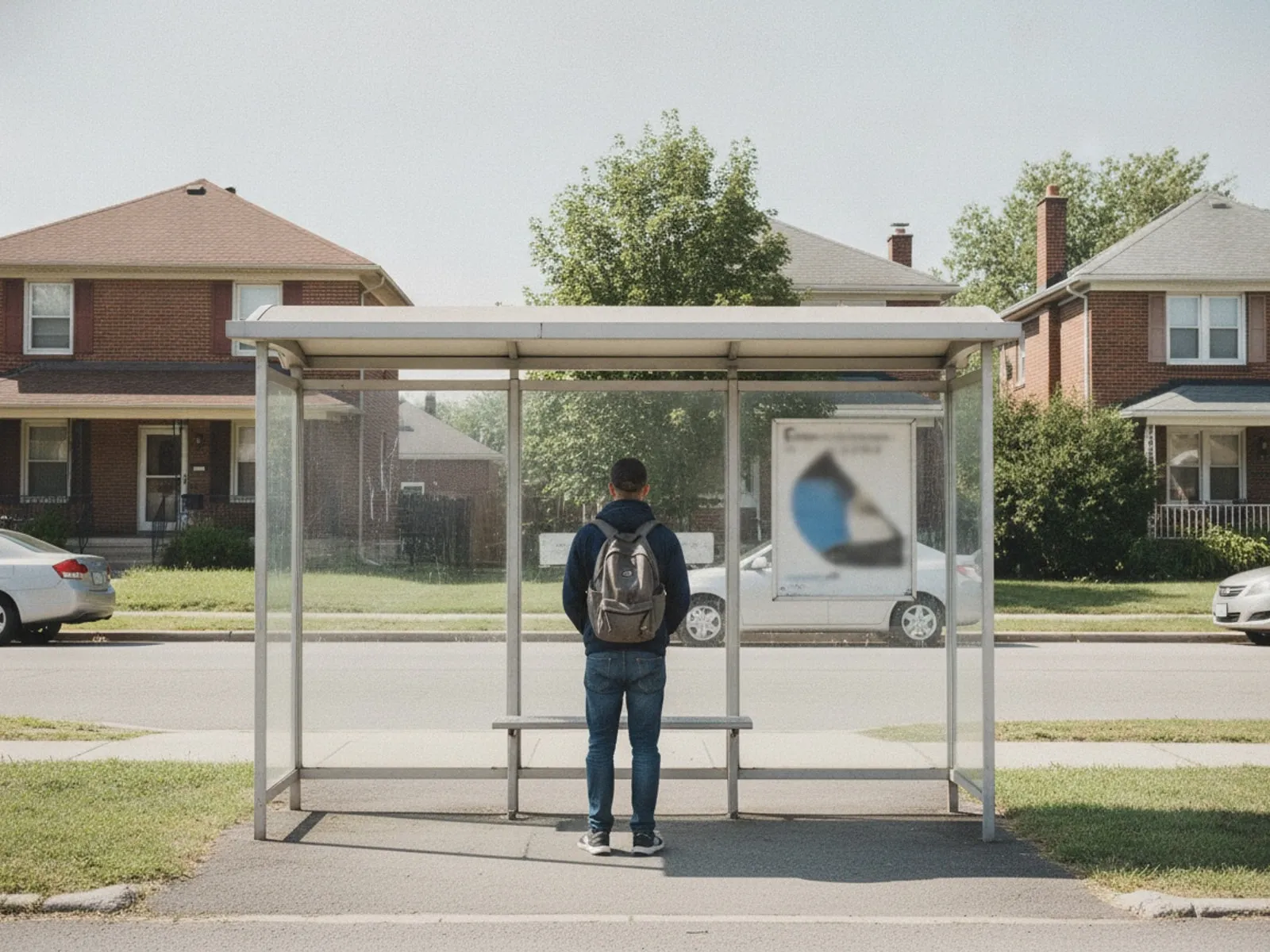
Illustrative example. Rowan is choosing between two neighborhoods before taking a job in another city. The important requirement is arriving at work by 8 a.m. At Address A, Rowan takes the planned route on a workday and checks the walk from the stop. At Address B, Rowan does the same on another day. Both routes work one morning. On the return trip, Address A requires a transfer that is hard to make after Rowan’s usual evening class.
| Question | What Rowan checks | What still needs checking |
|---|---|---|
| Can I reach work by 8 a.m.? | Door to door from each candidate address | Whether the route changes on other workdays |
| Can I get back from the evening class? | Actual evening route and missed-connection option | Whether a different class or route would work |
| Can I run errands without a second trip? | Grocery store and pharmacy on the way home | Which shops are open after the shift |
Rowan gives the missed connection more attention than the first impression of either neighborhood. It affects a requirement that would come up every week. If the fallback is workable, Address A stays in the comparison. Otherwise the next search can focus on streets with a different route.
Leave some unplanned time on the visit. Use it to repeat the check that could change the answer, such as the evening trip after a missed connection or an errand that has to fit between work and a class. Give repeatable observations more weight than a crowded schedule of one-time activities.
Decide which questions remain open
At the end, sort your notes by what you saw, what someone told you, and what still needs confirmation. Compare the decision you could make today with what a second visit would answer. If the open issue is a specific building or working arrangement, ask the relevant person instead of repeating the whole trip.
Give yourself a date to make the next decision. That can mean keeping the area on your list, ruling out a street, or waiting for details about a job schedule. Use the big decisions guide if you want a way to weigh the trade-offs together.
Common questions
What if I can visit only on a weekend? Test the parts you can observe. Use official schedules and a relevant contact to check weekday requirements separately. Keep those answers provisional until you can confirm them.
Should I try a short stay if I already know the city? Consider it if your daily route, work hours, or candidate neighborhood would change. Use the trip to answer those specific questions.
What if I like the neighborhood but one requirement fails? Check whether another address, route or schedule could meet it. Keep the requirement visible while comparing the alternatives.
Sources
Sources checked November 23, 2026.