How to learn a new skill as an adult
Choose a small task that uses the skill you want, get specific feedback on a first attempt, and practice the part that needs work.

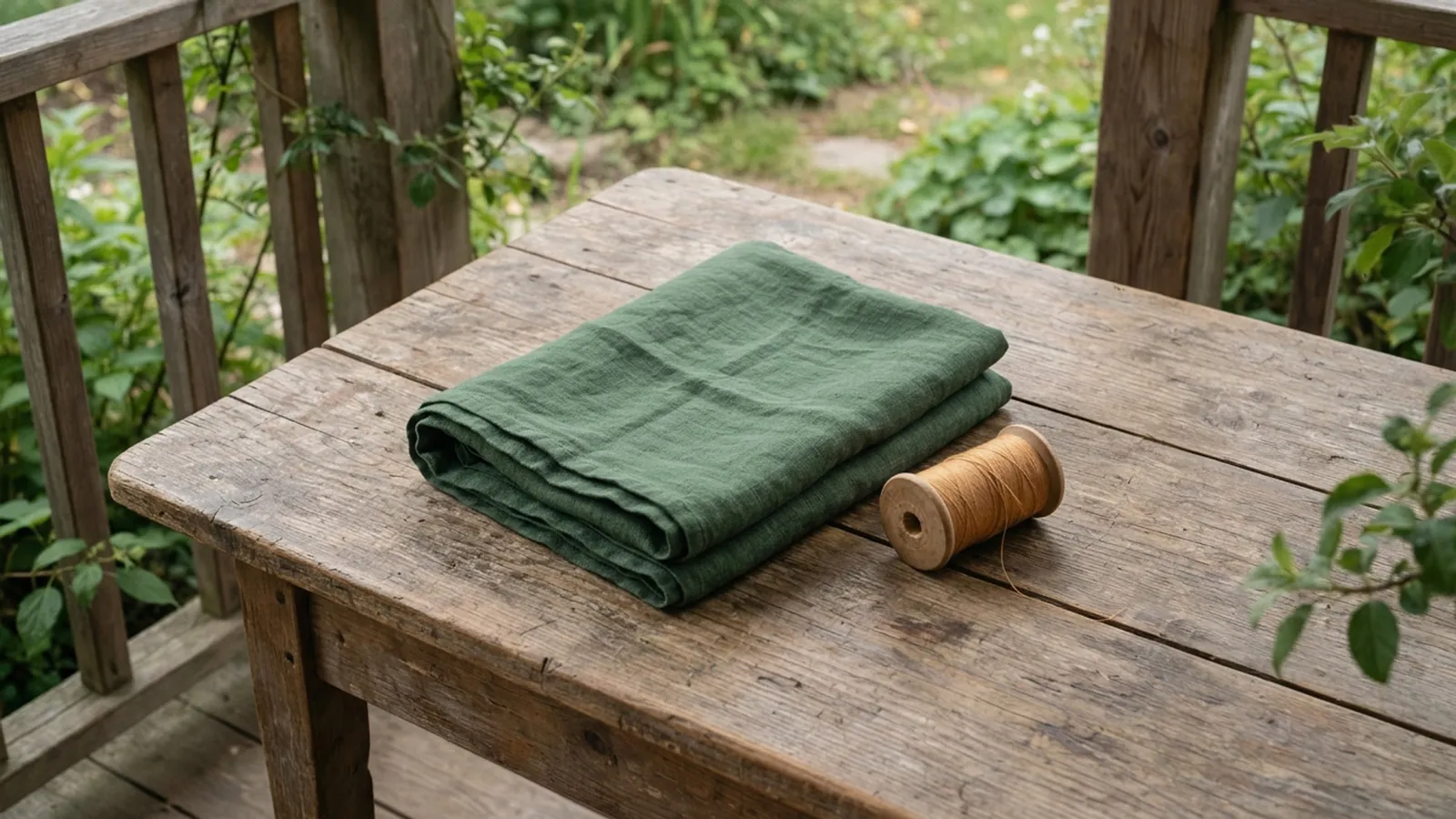
You can spend an evening watching someone do a skill and still be unsure where to put your hands when you try it. Start with one thing you want to be able to do. A first attempt, even a rough one, gives you something specific to learn from.
Pick a task with a clear finish
Replace a broad goal such as “learn to sew” with an outcome you can recognize, like hemming one pair of trousers. Decide what good enough would look like at this stage. If you’re learning a practical skill for your own use, the first standard might be that the hem hangs evenly and holds up to wear.
Find one demonstration that matches the task and the tools you have. Then choose a first attempt with low stakes. Borrow tools where you can and use material you can afford to spoil. If a mistake could hurt someone, get qualified instruction before trying the task.
Make an attempt and find the sticking point
Try the smallest complete version of the task, then look at the result. Which part worked? Where did you stop or lose track? Which part, if you improved it, would make a visible difference to the result?
Ask someone who knows the skill to look at that part. Give them a narrow question, such as whether you’re pulling the thread too tightly or holding the fabric in a way that lets it slip. If you’re learning alone, compare your result with a clear demonstration or test it against your own standard. You need a way to tell whether your next attempt is closer.
Practice that part and come back to the whole task
Give the difficult part its own short practice session. Then come back to the original task so you can see whether the change carries over. Leave some time between attempts and try starting once with the instructions closed. If you get stuck, look up the step you need and continue.
In one 1978 study, postmen learning to type alphanumeric codes on a typewriter keyboard learned most efficiently with one hour of practice a day among the schedules tested. The study involved a specific job task and schedule. For your own skill, choose a few practice times you can actually use and see what you can do when you return to it (Ergonomics, checked November 20, 2026).
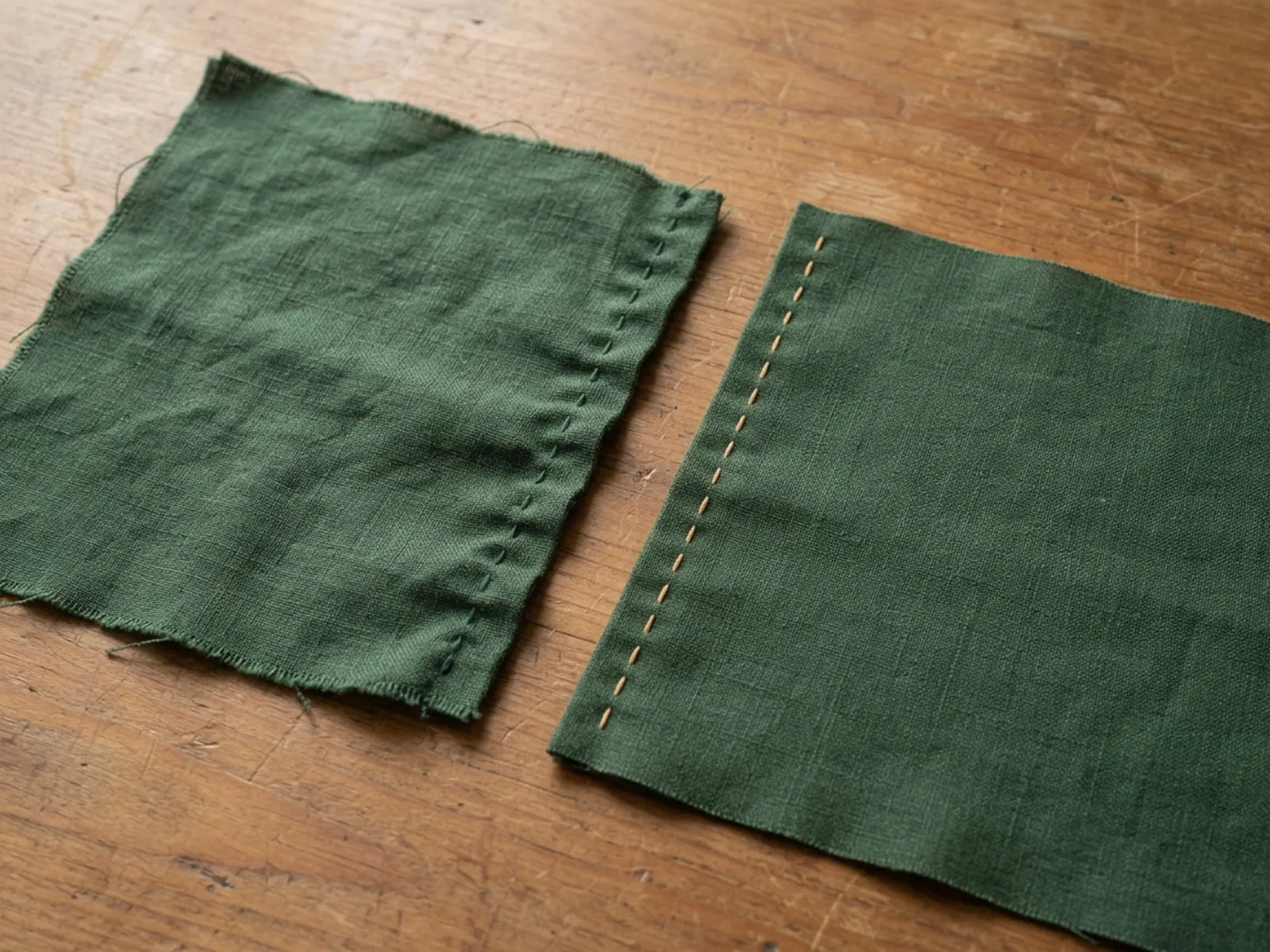
Illustrative example — Learning to hem trousers by hand
Suppose your goal is to shorten a pair of everyday trousers. You want the two legs to hang at the same length and the stitches to stay in place. You watch a hand-hemming demonstration, then mark and stitch a short hem on a scrap of fabric of similar weight. When you lay it flat, the cloth puckers along the stitched edge.
You show the scrap to someone who sews and ask what they’d change to make it lie flat. They point out that you’re pulling too hard on the thread. At the next session, you practice a few inches of stitching with a lighter pull and compare the scraps side by side. Then you repeat the full task on scrap, including marking and folding the hem. Once you can get a flat finish and match the lengths on two practice pieces, you can try the trousers.
Common questions
Should I take a class or teach myself?
Try a low-cost first attempt if you can do it safely and judge the result. A class can be worth it when you need access to equipment, someone to spot errors you can’t see, or supervised practice. Ask what you’ll get to do during the class before you sign up.
What if I only have a little time each week?
Choose a task you can set up and put away quickly. End each session by noting the first action you’ll take next time, such as marking a practice fold or testing the last seam. That gives you somewhere to start when you have another short window.
Sources
- Baddeley, A. D., and Longman, D. J. A. (1978). The Influence of Length and Frequency of Training Session on the Rate of Learning to Type. Ergonomics, Taylor & Francis. Checked November 20, 2026.