How to build a habit that actually sticks
Choose a cue, make your new habit small enough to repeat, and plan what to do when your routine is interrupted.


If a new habit keeps slipping, look at the moment it’s supposed to start. “Read more” leaves you to decide when to start, where to find the book, and how much time you need. Make those decisions ahead of time so there’s a clear first move when the moment comes.
Tie one small action to a cue you already have
Pick a cue you can notice without checking a clock. It might be putting your keys in their usual spot, switching off the kitchen light, or sitting down on the train. If your schedule changes across the week, choose an event that still happens on the days you want to practice.
Attach one action with an obvious finish. Read one paragraph, put one item away, or open tomorrow’s calendar and check your first commitment. Choose a version you could do on a busy day. Put whatever you need where you’ll use it. Once you’ve done the small version, you can stop or keep going.
In a 12-week study, volunteers tried a daily eating, drinking, or activity behavior in a consistent setting. The time they were estimated to need to get close to how automatic the action would eventually feel varied widely. The estimates came from volunteers’ self-reports, and the behaviors studied were limited. Treat your first couple of weeks as a chance to see whether the cue fits your life (European Journal of Social Psychology, checked November 20, 2026).
Track what happened at the cue
Keep the record where the action happens. A slip of paper in a book or a note beside your keys will do. Mark whether you did the small version when the cue came up. If you skipped it, jot down what got in the way in a few words. If the cue never happened, mark that separately.
After a week, look at where the misses cluster. If you never saw the cue on your late shifts, choose a cue that happens on those shifts. If the cue happened and you still had to hunt for supplies, put them within reach. Change one part at a time so you can tell what you’ve changed and how the next week goes.
Decide how you’ll come back after a miss
Write your restart plan while things are going smoothly. At the next normal cue, do the small version you originally picked. When a temporary disruption makes the usual cue impossible, choose a backup cue you can name in advance. If the disruption has become your new schedule, give the habit a place in that schedule.
In the same volunteer study, a single missed opportunity made little difference to the pattern of habit formation. The study speaks to an isolated miss. If you’re missing most chances to practice, check whether the plan asks for time or materials you rarely have (European Journal of Social Psychology, checked November 20, 2026).
Illustrative example — Reading after dinner
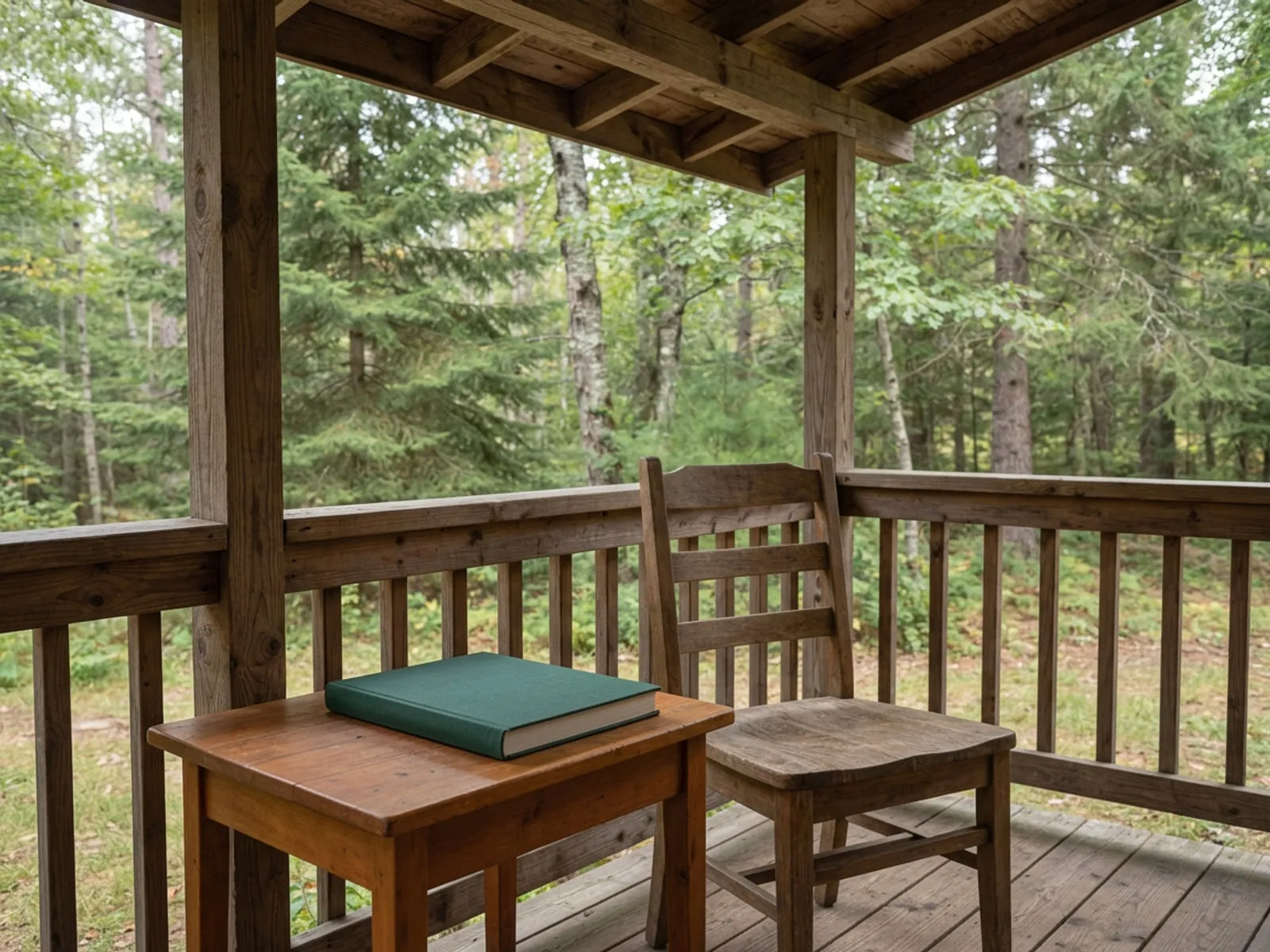
Suppose you want to read more most evenings. When you put your dinner plate in the sink, you’ll sit down and read one paragraph. The book lives on the chair you’ll use. Make a check mark on the bookmark after reading. On a night you eat out, use putting your keys down at home as the cue. If you miss an evening, read one paragraph after the next dinner at home.
At the end of the week, imagine the bookmark shows that you often miss when the book gets put away to clear the chair. Move it to the small table beside the chair and keep the same cue. That gives you a practical adjustment to try before you decide whether to read more each evening.
Common questions
Does a habit have to be daily?
Match the action to when you need it. If your aim is to put shared tools back after using them, the end of each project is the cue. Track the times it comes up.
When should I make the habit bigger?
Try adding a little once you can start the small version reliably on busy days. Keep the original version available when time is tight. If you mainly want to read more often, the small version may already be doing its job.
Sources
- Lally, P., van Jaarsveld, C. H. M., Potts, H. W. W., and Wardle, J. (2010). How Are Habits Formed: Modelling Habit Formation in the Real World. European Journal of Social Psychology, Wiley. Checked November 20, 2026.