How to be useful in your community without overcommitting
Find out what people actually need, choose a role that fits your time and resources, and agree when to review it.

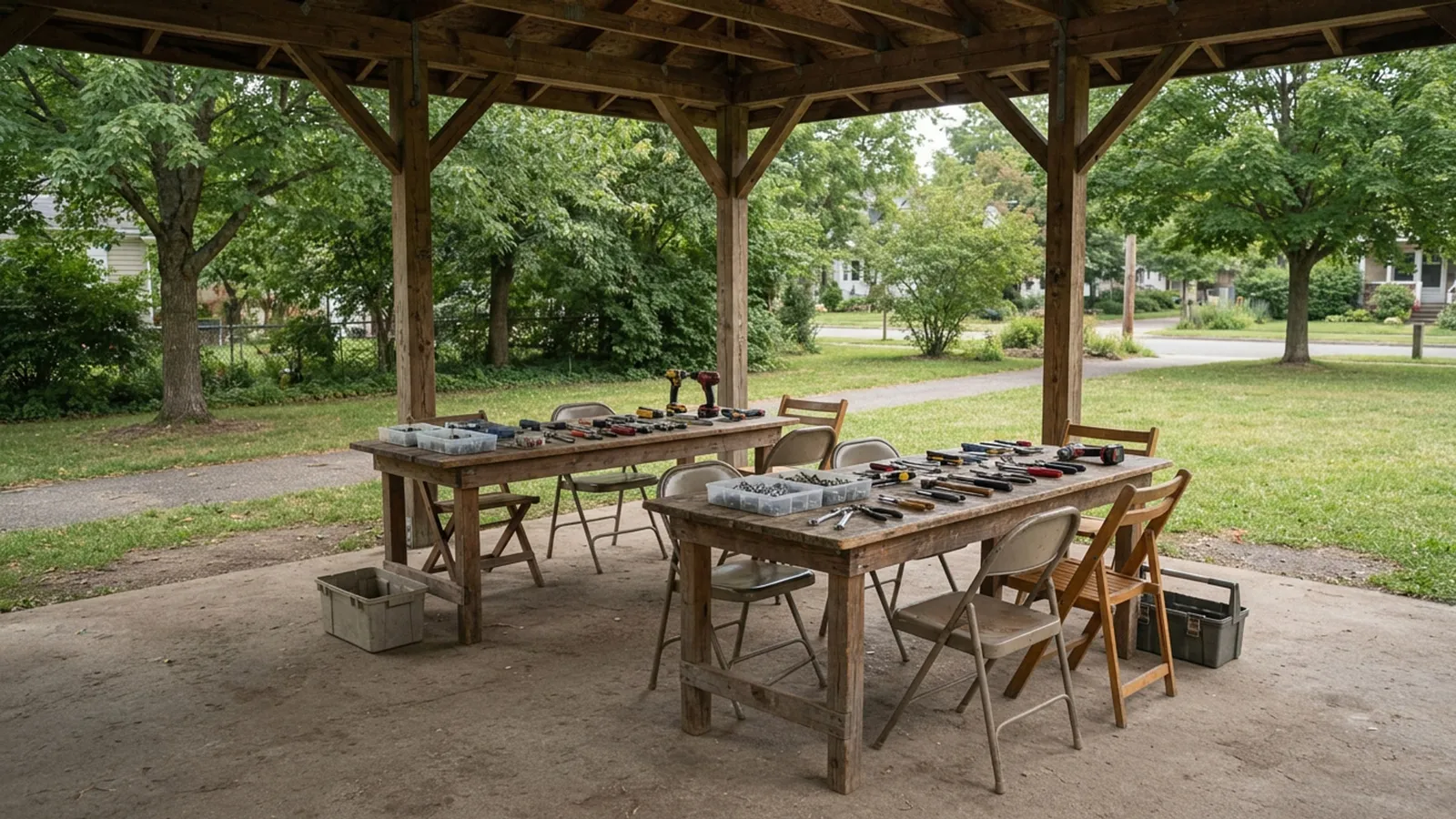
If you’d like to do something useful where you live, start by asking what help people need this month. One task with a clear finish gives you a chance to see how you fit in and whether you have room to keep going.
Ask what would be useful right now
Choose a place or group you already have some connection to, such as a community center, a local club, or the group organizing an event you use. Ask the person coordinating the work which tasks they’re struggling to cover and what a new volunteer would need to know.
For informal help, ask the person affected before deciding what to do. If you’ve noticed a neighbor could use a hand, offer something specific and let them choose. If you want to donate supplies, check what the group is accepting so it can plan for storage and use.
Choose something you can afford to keep doing
Work out the full commitment before you say yes. Ask when it starts and ends, whether you need training, and what happens if you miss a session. Count travel, preparation, and any costs for supplies or transport along with the hours on site. If there’s a limit on what you can spend, ask what the organizer provides.
If you need a seated task, a quieter room, or another format, ask the person coordinating the role what can be arranged. Some programs list a contact for accessibility requests. The City of Boulder’s volunteer handbook, for example, directs volunteers to ask the coordinator about support for accessing its programs (City of Boulder, checked November 20, 2026).
A one-off shift can work with an irregular schedule. If travel is hard, ask whether a defined task can be done from home, such as updating an event listing. If you’d prefer to be around other people, ask about a short shift alongside another volunteer. Start with the option that fits an ordinary week.
Agree on the end point before you begin
Confirm the task, the time you can give, and who to tell if you can’t make it. For a trial, agree on the number of sessions and when you’ll check whether your contribution is useful. Ask what you should leave ready for the next person if your role ends.
At the check-in, ask whether the work still needs doing and whether the schedule fits. Give the organizer notice if you need to reduce the commitment or stop. The City of Boulder’s handbook asks volunteers to give as much notice as possible when stepping down and notes that a different role can sometimes be arranged (City of Boulder, checked November 20, 2026).

Illustrative example — Helping at a neighborhood repair event
Suppose you’d like to help at a monthly repair event and can give an hour on some Saturdays. You ask the organizer where they need help. They already have people doing repairs, but need someone at the check-in table during the first hour. You ask whether you can do the role seated and whether they provide the materials.
The organizer can provide a chair and the check-in materials. You agree to cover the first hour at the next two events. An organizer will show you the check-in list and take over when you leave. After the second event, you’ll ask whether the shift helped and check your calendar before committing again. If your Saturdays fill up, you can ask whether preparing the blank sign-in sheets from home would be useful.
Common questions
What if the only available role asks for more time than I have?
Tell the organizer what you could actually give and ask about a one-time task. If they need someone who can do the whole role, let them know you can’t take it and look elsewhere.
Can I help without joining a group?
Yes. Offer a neighbor a specific favor you’re comfortable doing, such as picking up an item when you’re already going to the store. Give them a chance to say what would help.
Sources
- City of Boulder. Volunteer Handbook. Checked November 20, 2026.